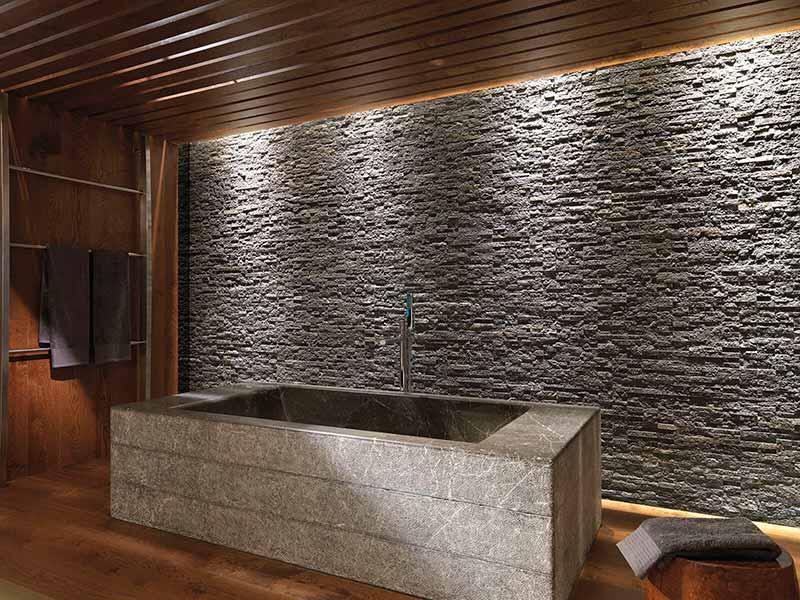

Lime Plaster Finishes
Description
Lime plaster is a natural, environmentally friendly building material used for centuries to coat interior and exterior walls. It's made from a mixture of lime, water, and aggregate, and is known for its breathability, durability, and ability to absorb moisture. Unlike modern plasters, lime plaster is made from natural materials, making it a sustainable and eco-friendly choice.
Here's a more detailed look at lime plaster:
Composition:
Lime: The primary binder, derived from limestone.
Water: Used to activate the lime and create a workable paste.
Aggregate: Often sand, which adds bulk and texture to the plaster.
Key Properties:
Breathability:
Lime plaster allows moisture to pass through it, preventing condensation and mold growth.
Durability:
It hardens over time through a process of carbonation, creating a strong and long-lasting surface.
Moisture Management:
Its porous nature enables it to absorb and release moisture, helping regulate humidity levels.
Self-Healing:
Lime plaster can, to some extent, self-heal minor cracks that may develop.
Environmental Benefits:
It's a carbon-neutral material, as it absorbs carbon dioxide during the hardening process. It's also biodegradable and doesn't release harmful substances.
Aesthetics:
Lime plaster can be applied in various textures and finishes, offering a range of decorative possibilities.
Applications:
Interior and Exterior Walls:
Lime plaster is commonly used for coating walls in both residential and commercial buildings.
Restoration:
It's a popular choice for restoring historic buildings due to its compatibility with traditional materials.
Decorative Finishes:
Lime plaster can be used to create a variety of decorative effects, from smooth and polished surfaces to textured and patterned finishes.
Considerations:
Drying Time: Lime plaster takes longer to dry than modern gypsum plaster, potentially requiring several days or even weeks depending on conditions.
Application: It requires specific techniques and skills to apply properly.
Cost: Lime plaster may be more expensive than some modern plaster options.