Coimbatore
08048035543
+919944477433
Blinds And Curtains by 7 Crafts Contracting Private Limited

Out Door Blinds

Phone Number

08048035543

Please keep 0 before dialling the number.

Mon-Thu: 10 AM - 2 PM • Fri: 3 PM - 7AM

Other Website Visit our other website
Address No.1, Kantaye Thottam, Jayam Nagar Shakthi Garden, TVS Nagar Road, Kavundampalayam, Coimbatore - 641030,

Coimbatore, India, 641030

Description

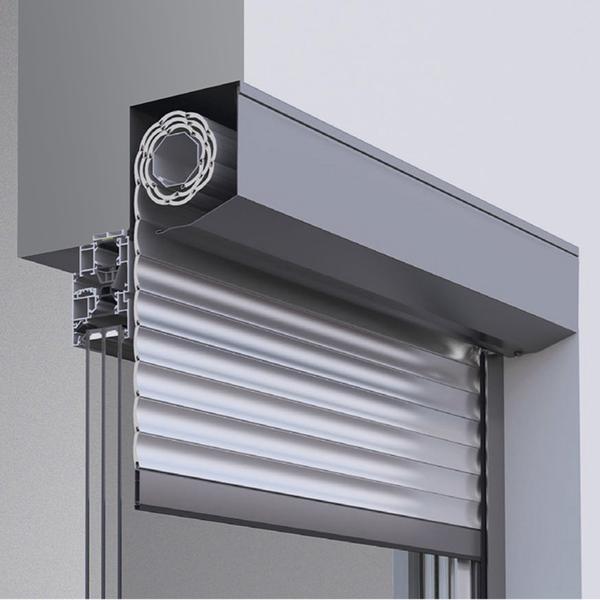
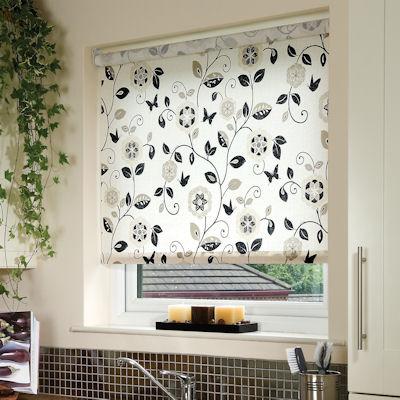
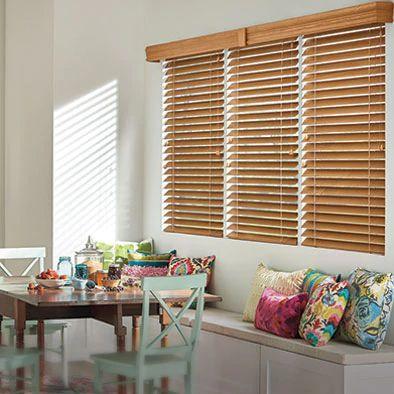
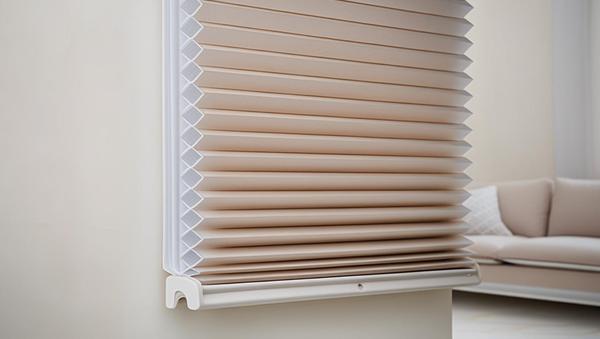
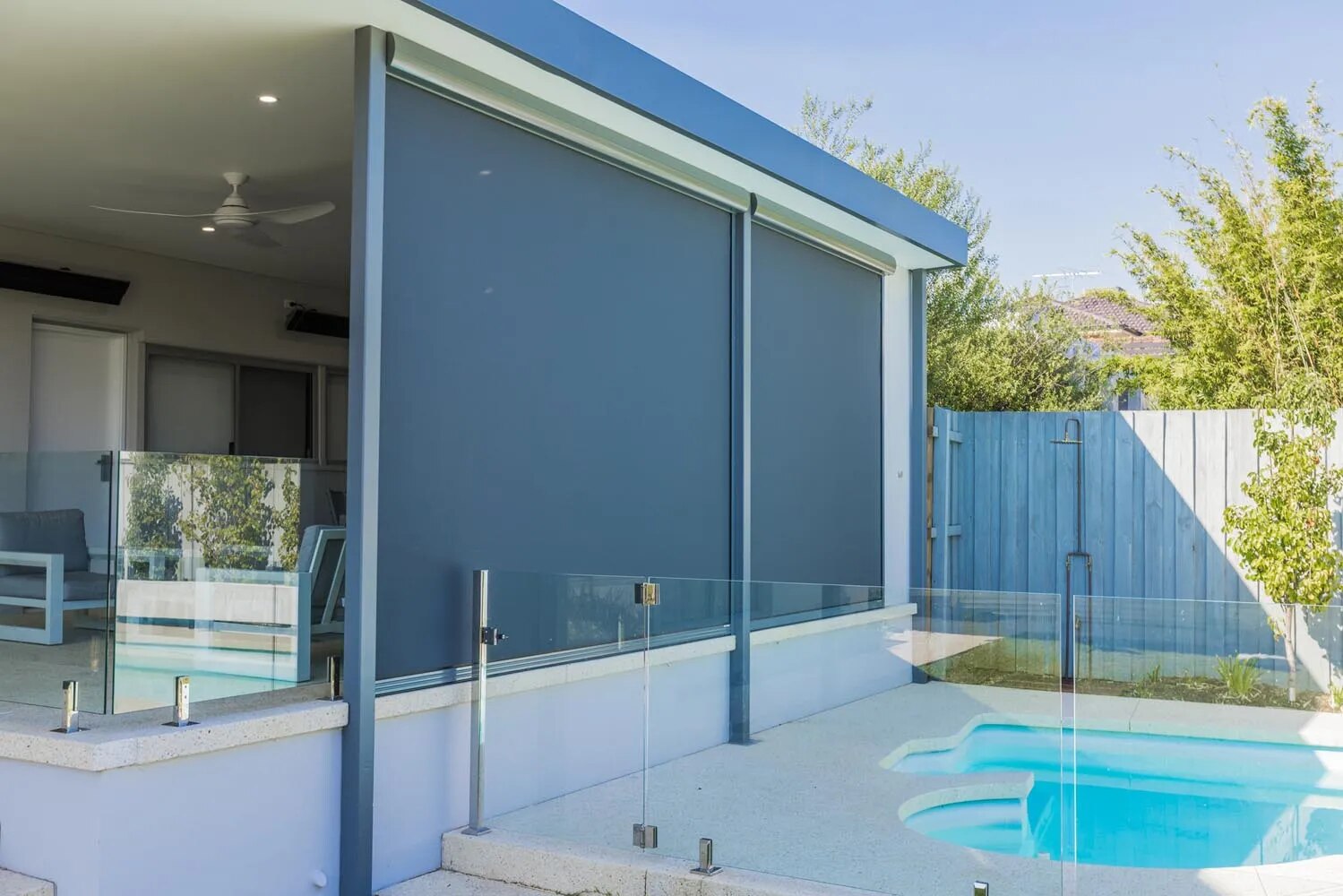
Outdoor blinds offer a versatile way to manage light, weather, and privacy for outdoor spaces. They are available in various materials like PVC, HDPE fabric, and mesh, each suited to different needs, from sun and wind protection to rain resistance and maintaining visibility. Common types include roller blinds with crank handles, auto sunblinds, and outdoor Venetian blinds. Types of Outdoor Blinds: PVC Blinds: Excellent for waterproofing and wind resistance, suitable for rainy and windy areas. HDPE Fabric Blinds: Breathable and offer good sun protection while allowing airflow, ideal for sunny and windy areas. Mesh PVC Blinds: Semi-transparent, water-resistant, and allow airflow, suitable for all-weather zones where partial visibility is desired. Roller Blinds: Available with crank handles, providing smooth and child-safe operation, according to Awnopy. Auto Sunblinds: A type of roller blind with a manual component for adjusting height. Outdoor Venetian Blinds: Offer adjustable light and privacy control. Zipscreen Blinds, Café Patio Blinds, Wireguide Awnings, Windmaster Blinds: Other options for balconies and verandas, according to ABC Blinds. Benefits of Outdoor Blinds: Sun Protection: Block harmful UV rays and reduce glare, creating comfortable outdoor spaces. Weather Protection: Provide water resistance and protection from wind, depending on the material. Privacy: Keep out prying eyes, offering more seclusion. Improved Aesthetics: Enhance the look of patios, balconies, and other outdoor areas. Light Control: Allow you to adjust the amount of natural light entering the space. Increased Usable Space: Extend the use of outdoor areas by providing shelter and comfort.

Other Products

view all

6814772a5d263414004dd4a4 Card 2

product image
Wall Finishes

Titanium wall finishes typically refer to wall coatings or treatments that incorporate titanium or mimic its aesthetic. These finishes offer a range of benefits, including durability, resistance to corrosion, and a modern, sleek appearance. They can be applied to various surfaces, both indoors and outdoors, and come in different forms like paints, coatings, and panels. Types of Titanium Wall Finishes: Titanium-based paints and coatings: These offer a smooth, even coverage and are often durable and easy to apply with a brush, roller, or spray. Titanium wall panels: These can be made of actual titanium or materials that mimic the look and texture of titanium, such as concrete or metal panels. Granular finishes: These finishes incorporate granular materials to create a textured surface that may resemble stone or concrete. Benefits of Titanium Wall Finishes: Durability: Titanium is a strong and long-lasting material, and finishes incorporating it can withstand wear and tear. Corrosion resistance: Titanium is highly resistant to corrosion, making it suitable for both indoor and outdoor applications. Aesthetics: Titanium finishes offer a modern, sleek, and sometimes industrial look, adding a touch of elegance to interiors. Versatility: They can be applied to various surfaces, including cement, wood, steel, and aluminum, and used both indoors and outdoors.

6814772a5d263414004dd4a4 Card 2

product image
Wall Finishes

Lime plaster is a natural, environmentally friendly building material used for centuries to coat interior and exterior walls. It's made from a mixture of lime, water, and aggregate, and is known for its breathability, durability, and ability to absorb moisture. Unlike modern plasters, lime plaster is made from natural materials, making it a sustainable and eco-friendly choice. Here's a more detailed look at lime plaster: Composition: Lime: The primary binder, derived from limestone. Water: Used to activate the lime and create a workable paste. Aggregate: Often sand, which adds bulk and texture to the plaster. Key Properties: Breathability: Lime plaster allows moisture to pass through it, preventing condensation and mold growth. Durability: It hardens over time through a process of carbonation, creating a strong and long-lasting surface. Moisture Management: Its porous nature enables it to absorb and release moisture, helping regulate humidity levels. Self-Healing: Lime plaster can, to some extent, self-heal minor cracks that may develop. Environmental Benefits: It's a carbon-neutral material, as it absorbs carbon dioxide during the hardening process. It's also biodegradable and doesn't release harmful substances. Aesthetics: Lime plaster can be applied in various textures and finishes, offering a range of decorative possibilities. Applications: Interior and Exterior Walls: Lime plaster is commonly used for coating walls in both residential and commercial buildings. Restoration: It's a popular choice for restoring historic buildings due to its compatibility with traditional materials. Decorative Finishes: Lime plaster can be used to create a variety of decorative effects, from smooth and polished surfaces to textured and patterned finishes. Considerations: Drying Time: Lime plaster takes longer to dry than modern gypsum plaster, potentially requiring several days or even weeks depending on conditions. Application: It requires specific techniques and skills to apply properly. Cost: Lime plaster may be more expensive than some modern plaster options.

6814772a5d263414004dd4a4 Card 2

product image
Wall Finishes

Microcement, also known as micro concrete, is a versatile, seamless decorative coating used to enhance floors, walls, and other surfaces. It's a thin layer (2-3mm) applied over existing surfaces without needing to remove them, offering a modern, seamless aesthetic. Microcement is known for its durability, water resistance, and ability to be customized with various colors and textures. Key Characteristics: Thin Layer Application: Microcement's thinness (2-3mm) makes it ideal for renovations and projects where height is a consideration. Seamless Finish: The absence of grout lines creates a continuous, smooth surface, enhancing the visual appeal of spaces. Durability and Water Resistance: Microcement floors are known for their ability to withstand heavy foot traffic and exposure to water, making them suitable for bathrooms, kitchens, and outdoor areas. Versatility: It can be applied to various surfaces like concrete, tiles, wood, and even furniture. Customization: Microcement can be pigmented to achieve a wide range of colors and textures (matte, glossy, etc.). Minimal Work: Unlike traditional concrete or tile flooring, microcement application often requires minimal demolition and removal of existing surfaces. Applications: Flooring: Ideal for both residential and commercial spaces, including living rooms, bedrooms, kitchens, bathrooms, and offices. Walls: Microcement can be used to create feature walls, backsplashes, and even shower enclosures. Other Surfaces: It can be applied to furniture, countertops, and other decorative elements. Outdoor Areas: Microcement can be used for patios, pool surrounds, and other exterior surfaces, often with specialized formulations for slip resistance and weatherproofing. Advantages: Seamless, modern aesthetic . Waterproof and resistant to stains . Durable and long-lasting . Easy to clean . Can be applied over existing surfaces . Can be customized to various colors and textures .