Synthetic Floorings
Description
Synthetic floorings are human-made surfaces designed for a variety of applications, offering durability, slip resistance, and ease of maintenance. They are popular for both sports and general flooring needs due to their versatility and cost-effectiveness.
Types of Synthetic Flooring:
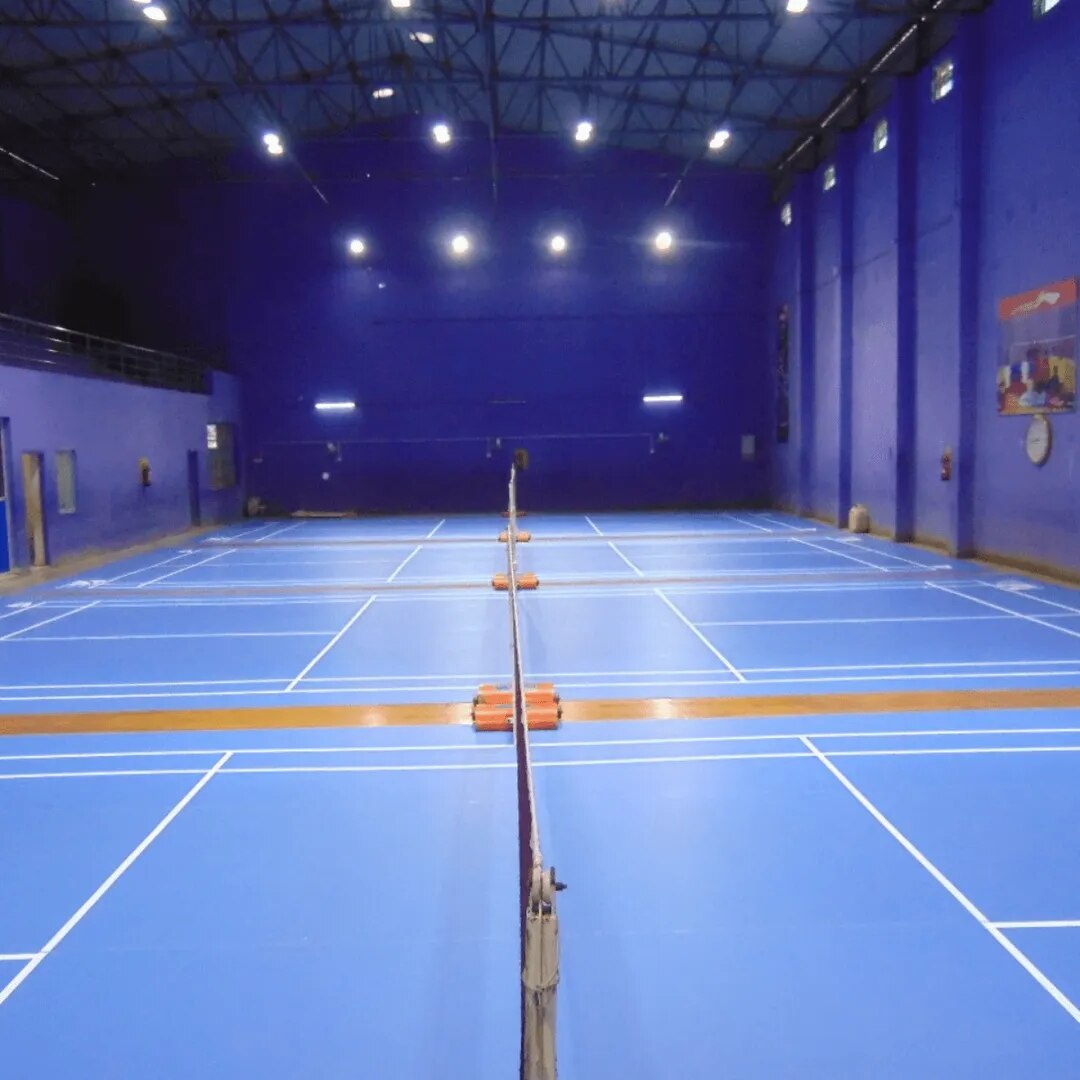
PVC Flooring (Polyvinyl Chloride):
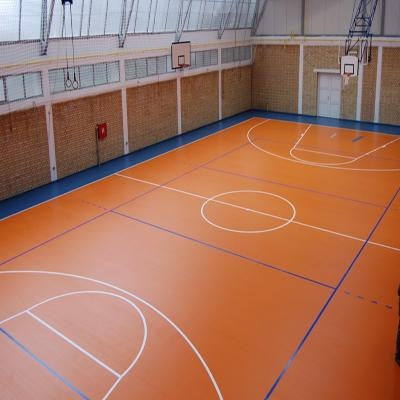
Known for its durability, slip resistance, and low maintenance, often used in badminton, table tennis, and volleyball courts.
Rubber Flooring:
Provides excellent shock absorption and noise reduction, suitable for basketball, handball, and indoor soccer.
Polyurethane Flooring:
Offers high impact resistance and durability, commonly used in weightlifting and gymnastics.
Epoxy/Tartan Flooring:
Durable and easy to clean, resistant to chemicals and moisture, often used in sports halls and high-traffic areas.
Acrylic Synthetic Flooring:
A resilient flooring option made from acrylic polymers, known for its visual appeal and resistance to wear and tear.
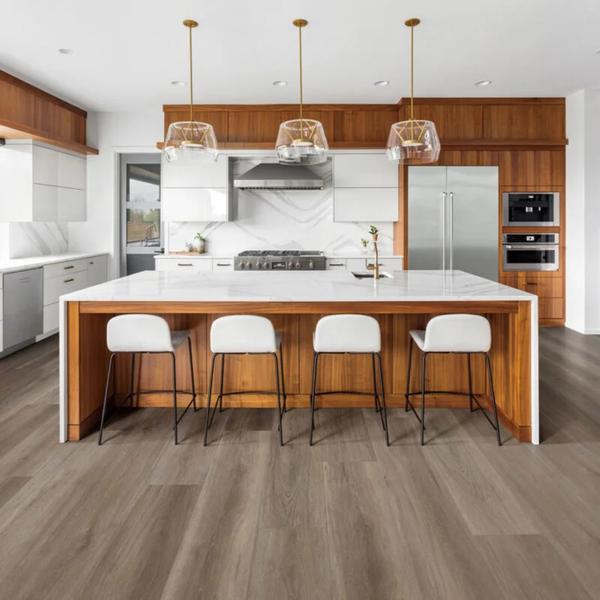
Laminate Flooring:
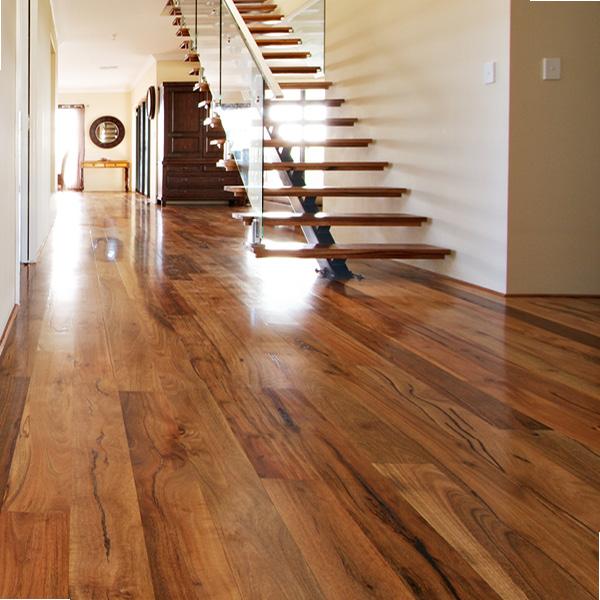
Mimics the look of natural wood or stone while providing enhanced durability.
Vinyl Flooring:
Versatile and easy to maintain, available in various designs.
Carpet Tiles:
Offer flexibility in design and easy replacement for commercial spaces.
Key Features and Benefits:
Durability: Synthetic floorings are designed to withstand heavy use and are a long-lasting investment.
Cost-Effectiveness: Often more affordable than traditional flooring options.
Versatility: Available in a wide range of designs, colors, and styles to suit various needs.
Easy Maintenance: Typically require minimal effort and cost to clean and maintain.
Safety: Offer features like slip resistance and impact absorption, reducing the risk of injuries.
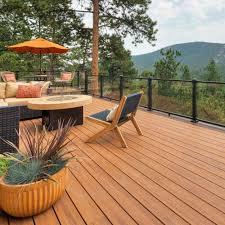
Weather Resistance: Many synthetic floorings are designed to withstand various weather conditions, including UV exposure.
Eco-Friendly Options: Some synthetic flooring products are manufactured with sustainable and eco-friendly materials.