Coimbatore
08048035543
+919944477433

Stucco Finishes

Wall Finishes by 7 Crafts Contracting Private Limited

Stucco Finishes

Phone Number

Mon-Thu: 10 AM - 2 PM • Fri: 3 PM - 7AM

Other Website Visit our other website
Address No.1, Kantaye Thottam, Jayam Nagar Shakthi Garden, TVS Nagar Road, Kavundampalayam, Coimbatore - 641030,

Coimbatore, India, 641030

Description

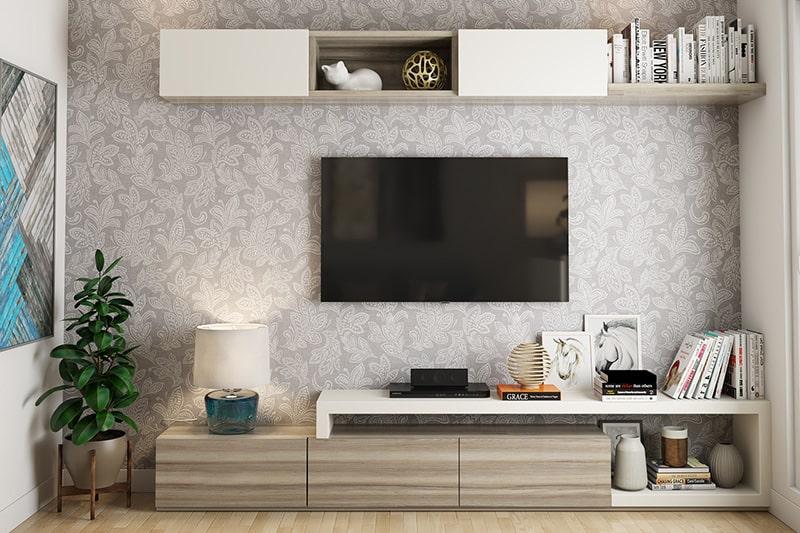
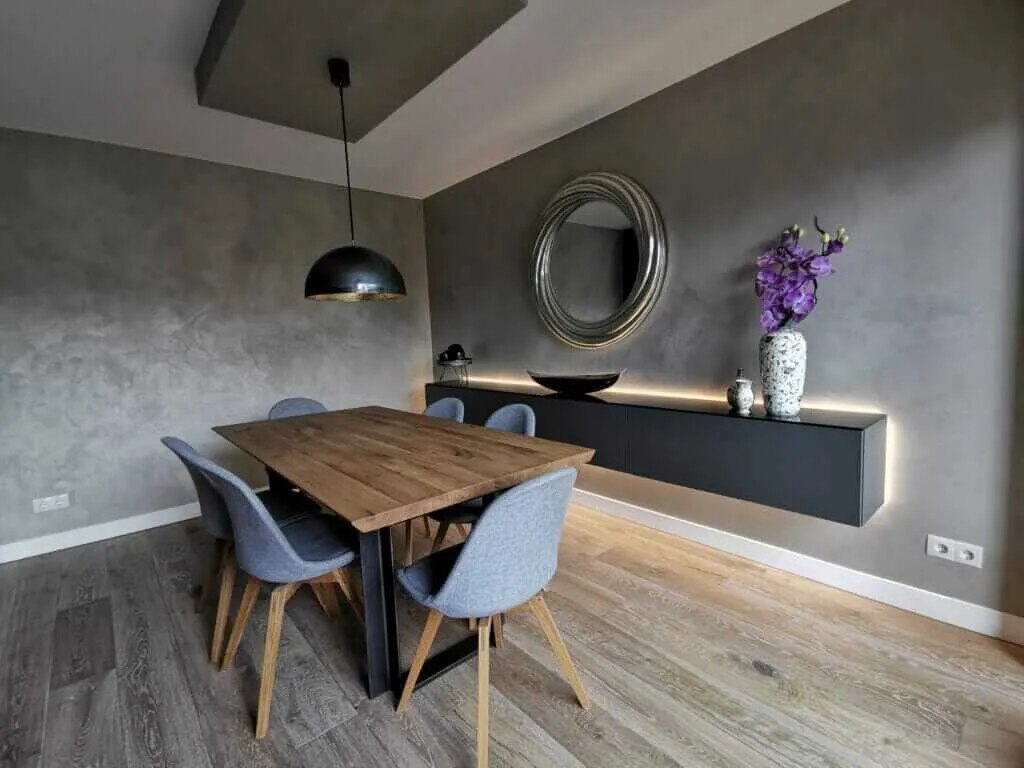
Stucco is a versatile exterior finish for buildings, known for its durability and aesthetic flexibility. It's a plaster-like material composed of cement, sand, and water (sometimes with lime and other additives), applied in layers over a surface like brick, concrete, or wood. Stucco offers a range of textures, from smooth and modern to textured and rustic, allowing for diverse design styles. Key aspects of stucco finishes: Composition: Traditional stucco uses cement, sand, lime, and water. Modern stucco often incorporates Portland cement and other polymers for enhanced strength and flexibility. Application: It's applied in layers, typically over a lath or mesh base, creating a durable, weather-resistant surface. Durability: Stucco is known for its ability to withstand harsh weather conditions and is relatively low-maintenance. Aesthetics: Stucco can be customized to create various textures and appearances, including smooth, textured, and decorative finishes. Applications: It can be used on both exterior and interior walls, as well as for decorative and sculptural elements in architecture. Popular Styles: Some popular stucco finishes include Santa Barbara (smooth with a subtle variation), sand (float) finish, and lace finish. Modern Variations: Modern stucco often includes polymers for increased flexibility and resistance to cracking and weathering. Painting and Coloring: Stucco can be painted, colored with pigments, or treated with acrylic finishes for added protection and visual appeal.
Other Products

view all

6814772a5d263414004dd4a4 Card 2

product image
Wall Finishes

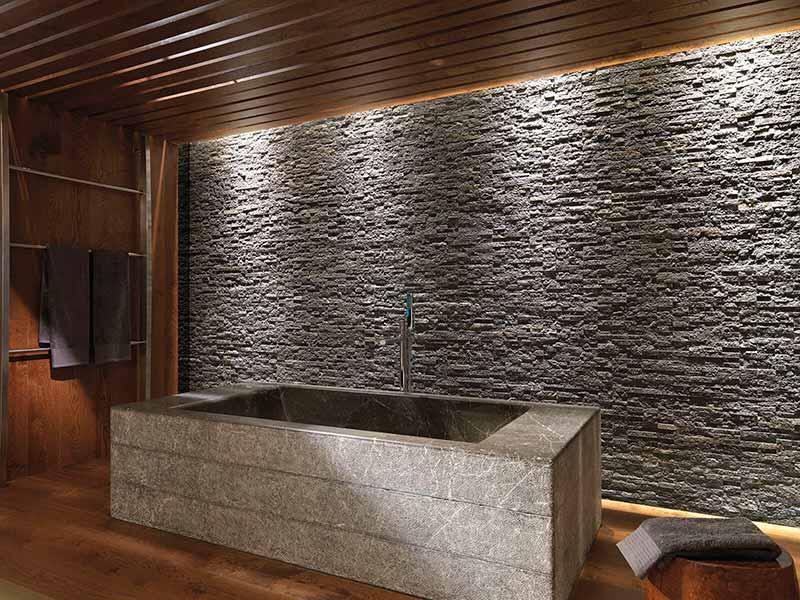
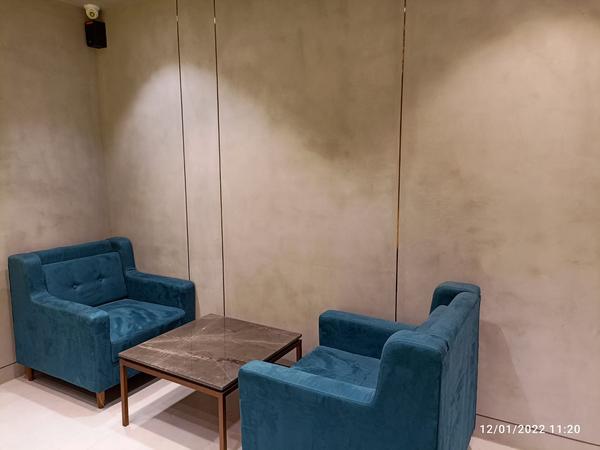
Titanium wall finishes typically refer to wall coatings or treatments that incorporate titanium or mimic its aesthetic. These finishes offer a range of benefits, including durability, resistance to corrosion, and a modern, sleek appearance. They can be applied to various surfaces, both indoors and outdoors, and come in different forms like paints, coatings, and panels. Types of Titanium Wall Finishes: Titanium-based paints and coatings: These offer a smooth, even coverage and are often durable and easy to apply with a brush, roller, or spray. Titanium wall panels: These can be made of actual titanium or materials that mimic the look and texture of titanium, such as concrete or metal panels. Granular finishes: These finishes incorporate granular materials to create a textured surface that may resemble stone or concrete. Benefits of Titanium Wall Finishes: Durability: Titanium is a strong and long-lasting material, and finishes incorporating it can withstand wear and tear. Corrosion resistance: Titanium is highly resistant to corrosion, making it suitable for both indoor and outdoor applications. Aesthetics: Titanium finishes offer a modern, sleek, and sometimes industrial look, adding a touch of elegance to interiors. Versatility: They can be applied to various surfaces, including cement, wood, steel, and aluminum, and used both indoors and outdoors.

6814772a5d263414004dd4a4 Card 2

product image
Wall Finishes

Lime plaster is a natural, environmentally friendly building material used for centuries to coat interior and exterior walls. It's made from a mixture of lime, water, and aggregate, and is known for its breathability, durability, and ability to absorb moisture. Unlike modern plasters, lime plaster is made from natural materials, making it a sustainable and eco-friendly choice. Here's a more detailed look at lime plaster: Composition: Lime: The primary binder, derived from limestone. Water: Used to activate the lime and create a workable paste. Aggregate: Often sand, which adds bulk and texture to the plaster. Key Properties: Breathability: Lime plaster allows moisture to pass through it, preventing condensation and mold growth. Durability: It hardens over time through a process of carbonation, creating a strong and long-lasting surface. Moisture Management: Its porous nature enables it to absorb and release moisture, helping regulate humidity levels. Self-Healing: Lime plaster can, to some extent, self-heal minor cracks that may develop. Environmental Benefits: It's a carbon-neutral material, as it absorbs carbon dioxide during the hardening process. It's also biodegradable and doesn't release harmful substances. Aesthetics: Lime plaster can be applied in various textures and finishes, offering a range of decorative possibilities. Applications: Interior and Exterior Walls: Lime plaster is commonly used for coating walls in both residential and commercial buildings. Restoration: It's a popular choice for restoring historic buildings due to its compatibility with traditional materials. Decorative Finishes: Lime plaster can be used to create a variety of decorative effects, from smooth and polished surfaces to textured and patterned finishes. Considerations: Drying Time: Lime plaster takes longer to dry than modern gypsum plaster, potentially requiring several days or even weeks depending on conditions. Application: It requires specific techniques and skills to apply properly. Cost: Lime plaster may be more expensive than some modern plaster options.

6814772a5d263414004dd4a4 Card 2

product image
Wall Finishes

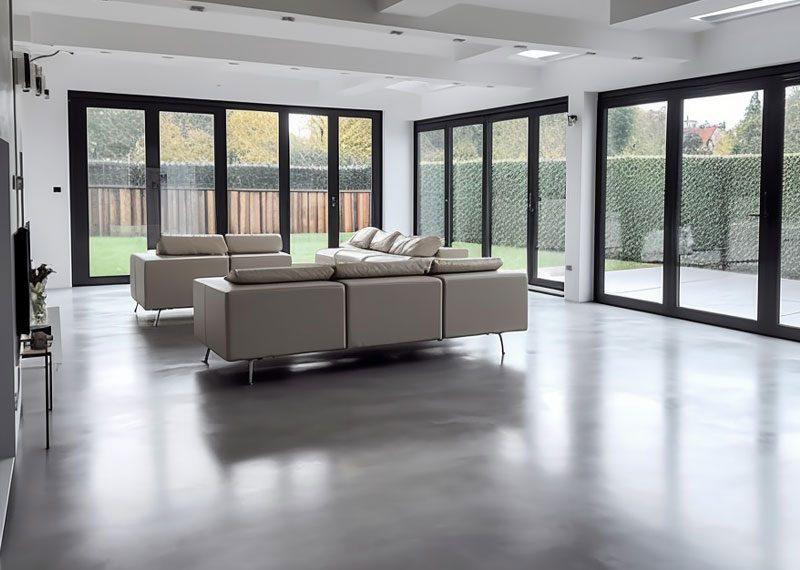
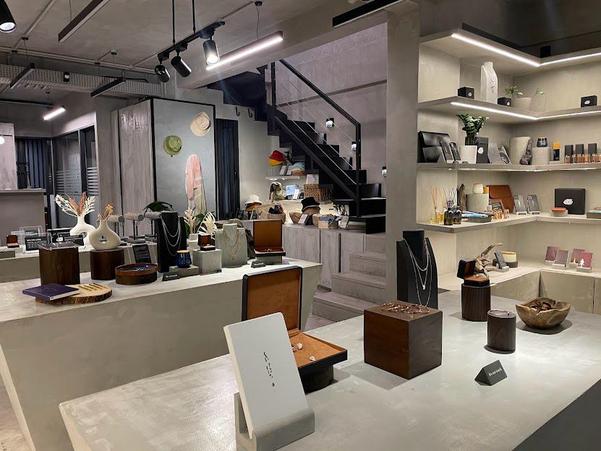
Microcement, also known as micro concrete, is a versatile, seamless decorative coating used to enhance floors, walls, and other surfaces. It's a thin layer (2-3mm) applied over existing surfaces without needing to remove them, offering a modern, seamless aesthetic. Microcement is known for its durability, water resistance, and ability to be customized with various colors and textures. Key Characteristics: Thin Layer Application: Microcement's thinness (2-3mm) makes it ideal for renovations and projects where height is a consideration. Seamless Finish: The absence of grout lines creates a continuous, smooth surface, enhancing the visual appeal of spaces. Durability and Water Resistance: Microcement floors are known for their ability to withstand heavy foot traffic and exposure to water, making them suitable for bathrooms, kitchens, and outdoor areas. Versatility: It can be applied to various surfaces like concrete, tiles, wood, and even furniture. Customization: Microcement can be pigmented to achieve a wide range of colors and textures (matte, glossy, etc.). Minimal Work: Unlike traditional concrete or tile flooring, microcement application often requires minimal demolition and removal of existing surfaces. Applications: Flooring: Ideal for both residential and commercial spaces, including living rooms, bedrooms, kitchens, bathrooms, and offices. Walls: Microcement can be used to create feature walls, backsplashes, and even shower enclosures. Other Surfaces: It can be applied to furniture, countertops, and other decorative elements. Outdoor Areas: Microcement can be used for patios, pool surrounds, and other exterior surfaces, often with specialized formulations for slip resistance and weatherproofing. Advantages: Seamless, modern aesthetic . Waterproof and resistant to stains . Durable and long-lasting . Easy to clean . Can be applied over existing surfaces . Can be customized to various colors and textures .