Coimbatore
08048035543
+919944477433

Items tagged with 'modern lime plaster and microcement finishing'

6814772a5d263414004dd4a4 Card 2

product image
Wall Finishes

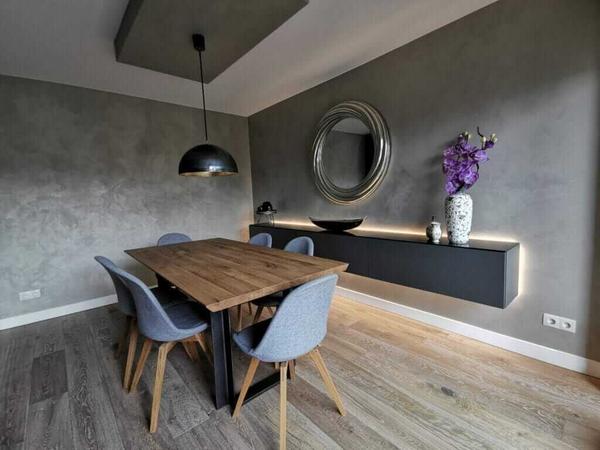
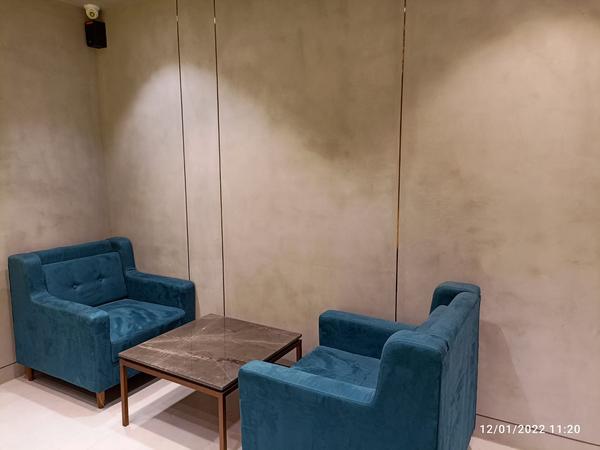
Lime plaster is a natural, environmentally friendly building material used for centuries to coat interior and exterior walls. It's made from a mixture of lime, water, and aggregate, and is known for its breathability, durability, and ability to absorb moisture. Unlike modern plasters, lime plaster is made from natural materials, making it a sustainable and eco-friendly choice. Here's a more detailed look at lime plaster: Composition: Lime: The primary binder, derived from limestone. Water: Used to activate the lime and create a workable paste. Aggregate: Often sand, which adds bulk and texture to the plaster. Key Properties: Breathability: Lime plaster allows moisture to pass through it, preventing condensation and mold growth. Durability: It hardens over time through a process of carbonation, creating a strong and long-lasting surface. Moisture Management: Its porous nature enables it to absorb and release moisture, helping regulate humidity levels. Self-Healing: Lime plaster can, to some extent, self-heal minor cracks that may develop. Environmental Benefits: It's a carbon-neutral material, as it absorbs carbon dioxide during the hardening process. It's also biodegradable and doesn't release harmful substances. Aesthetics: Lime plaster can be applied in various textures and finishes, offering a range of decorative possibilities. Applications: Interior and Exterior Walls: Lime plaster is commonly used for coating walls in both residential and commercial buildings. Restoration: It's a popular choice for restoring historic buildings due to its compatibility with traditional materials. Decorative Finishes: Lime plaster can be used to create a variety of decorative effects, from smooth and polished surfaces to textured and patterned finishes. Considerations: Drying Time: Lime plaster takes longer to dry than modern gypsum plaster, potentially requiring several days or even weeks depending on conditions. Application: It requires specific techniques and skills to apply properly. Cost: Lime plaster may be more expensive than some modern plaster options.

6814772a5d263414004dd4a4 Card 2

product image
Wall Finishes

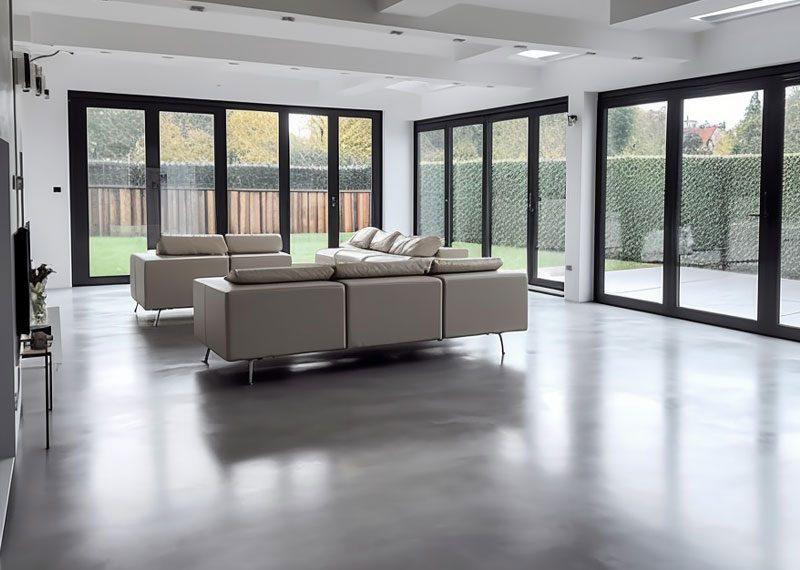
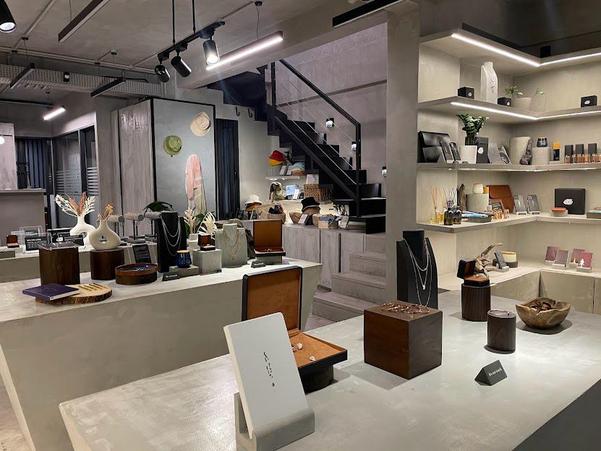
Microcement, also known as micro concrete, is a versatile, seamless decorative coating used to enhance floors, walls, and other surfaces. It's a thin layer (2-3mm) applied over existing surfaces without needing to remove them, offering a modern, seamless aesthetic. Microcement is known for its durability, water resistance, and ability to be customized with various colors and textures. Key Characteristics: Thin Layer Application: Microcement's thinness (2-3mm) makes it ideal for renovations and projects where height is a consideration. Seamless Finish: The absence of grout lines creates a continuous, smooth surface, enhancing the visual appeal of spaces. Durability and Water Resistance: Microcement floors are known for their ability to withstand heavy foot traffic and exposure to water, making them suitable for bathrooms, kitchens, and outdoor areas. Versatility: It can be applied to various surfaces like concrete, tiles, wood, and even furniture. Customization: Microcement can be pigmented to achieve a wide range of colors and textures (matte, glossy, etc.). Minimal Work: Unlike traditional concrete or tile flooring, microcement application often requires minimal demolition and removal of existing surfaces. Applications: Flooring: Ideal for both residential and commercial spaces, including living rooms, bedrooms, kitchens, bathrooms, and offices. Walls: Microcement can be used to create feature walls, backsplashes, and even shower enclosures. Other Surfaces: It can be applied to furniture, countertops, and other decorative elements. Outdoor Areas: Microcement can be used for patios, pool surrounds, and other exterior surfaces, often with specialized formulations for slip resistance and weatherproofing. Advantages: Seamless, modern aesthetic . Waterproof and resistant to stains . Durable and long-lasting . Easy to clean . Can be applied over existing surfaces . Can be customized to various colors and textures .

6814772a5d263414004dd4a4 Card 2

product image
Wall Finishes

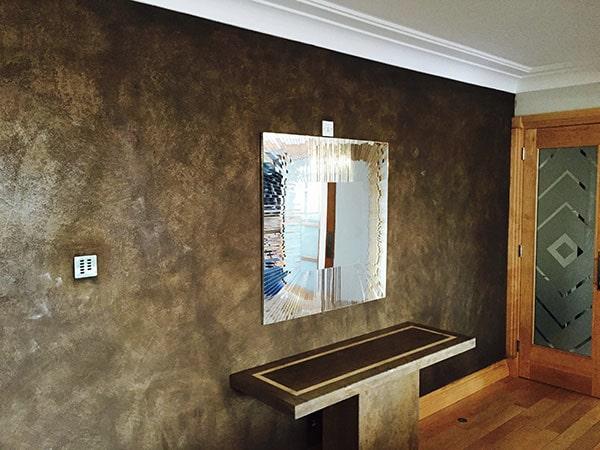
Venetian plaster, also known as Venetian finish lime plaster or polished plaster, is a decorative wall finish made by mixing marble dust and lime. It is known for its smooth, silky texture and its ability to be polished to a high sheen, resembling the look of natural marble. This technique has been used for centuries, offering a luxurious and durable finish that adds depth and elegance to any space. Key Characteristics and Benefits: Marble-like Appearance: The combination of marble dust and lime, along with the layering and burnishing techniques, creates a finish that mimics the look and feel of polished marble. Smooth, Textured Finish: Venetian plaster is applied in thin layers, creating a visually textured surface that adds depth and dimension. Durability: It is a durable and long-lasting finish, resistant to cracking and fading, making it suitable for high-traffic areas. Breathability: Unlike some other finishes, Venetian plaster is breathable, allowing moisture to escape and potentially preventing mold and mildew growth. Eco-friendly: It is often made with natural materials like lime and marble dust, making it a more eco-friendly option compared to some synthetic finishes. Versatility: Venetian plaster can be tinted or colored to achieve a wide range of desired shades and can be used to create various decorative effects, including marble-like patterns. Long-lasting: With proper care, Venetian plaster can last for many years, even decades, maintaining its beauty and integrity. Application and Techniques: Layering: Venetian plaster is applied in multiple thin layers using a trowel or spatula. Burnishing: The layers are burnished to create a smooth, polished surface. Tinting: Colorants can be added to the plaster to achieve specific colors or to mimic the look of different types of marble. Waxing: A protective wax coating can be applied to enhance the finish's durability and water resistance. Historical Context: Venetian plaster techniques have been used for centuries, dating back to ancient Rome and the Italian Renaissance. The craft was revived during the Renaissance, particularly in Venice, where it was used to lighten and waterproof buildings. Venetian plaster's resurgence in modern times is due to its luxurious aesthetic and the desire for unique and durable wall finishes.

6814772a5d263414004dd4a4 Card 2

product image
Wall Finishes

Stucco is a versatile exterior finish for buildings, known for its durability and aesthetic flexibility. It's a plaster-like material composed of cement, sand, and water (sometimes with lime and other additives), applied in layers over a surface like brick, concrete, or wood. Stucco offers a range of textures, from smooth and modern to textured and rustic, allowing for diverse design styles. Key aspects of stucco finishes: Composition: Traditional stucco uses cement, sand, lime, and water. Modern stucco often incorporates Portland cement and other polymers for enhanced strength and flexibility. Application: It's applied in layers, typically over a lath or mesh base, creating a durable, weather-resistant surface. Durability: Stucco is known for its ability to withstand harsh weather conditions and is relatively low-maintenance. Aesthetics: Stucco can be customized to create various textures and appearances, including smooth, textured, and decorative finishes. Applications: It can be used on both exterior and interior walls, as well as for decorative and sculptural elements in architecture. Popular Styles: Some popular stucco finishes include Santa Barbara (smooth with a subtle variation), sand (float) finish, and lace finish. Modern Variations: Modern stucco often includes polymers for increased flexibility and resistance to cracking and weathering. Painting and Coloring: Stucco can be painted, colored with pigments, or treated with acrylic finishes for added protection and visual appeal.

6814772a5d263414004dd4a4 Card 2

product image
Wall Finishes

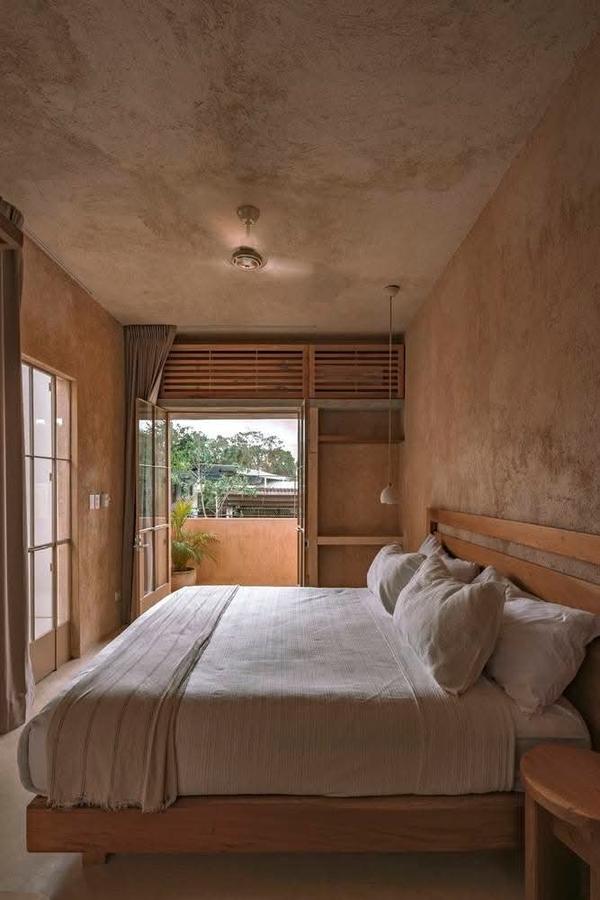
Clay plaster is a natural building material made primarily from clay, sand, and water, often with the addition of plant fibers for strength. It's a traditional material used for wall and ceiling finishes, valued for its breathability, moisture-regulating properties, and ability to create a healthy indoor environment. Clay plaster is also known for its aesthetic appeal and can be used in both interior and exterior applications. Here's a more detailed look at clay plaster: Key Characteristics: Natural and Eco-friendly: Clay plaster is made from readily available, natural materials, minimizing its environmental impact. Breathable and Moisture-Regulating: Clay plaster allows walls to breathe, absorbing excess moisture from the air and releasing it when the air is dry, helping to maintain a comfortable and healthy indoor environment. Temperature Regulation: Clay plaster can help regulate temperature by absorbing and releasing heat. Aesthetic Appeal: Clay plaster offers a natural, earthy aesthetic and can be customized with different colors and textures. Durability: While not as hard as some other plasters, clay plaster is surprisingly durable and can be easily repaired if damaged. Versatile: Clay plaster can be used on various substrates, including brick, cob, straw bale, and other common construction materials. Composition and Application: Basic Ingredients: Clay, sand, and water are the core components. Fibers: Plant fibers like straw or hemp are often added to increase the plaster's tensile strength and prevent cracking. Pigments: Natural pigments like ochres and oxides can be added for color. Application: Clay plaster can be applied in multiple layers, with a base coat for strength and a top coat for a smooth finish. Finishing: Various tools like steel floats, wooden floats, and plastic trowels can be used for application and finishing. Benefits of Clay Plaster: Improved Indoor Air Quality: Clay plaster's breathability helps regulate humidity and reduce the risk of mold and mildew. Comfortable Living Environment: Clay plaster can help create a more comfortable and healthy living space due to its temperature and moisture-regulating properties. Reduced Environmental Impact: Clay plaster is a sustainable building material with a low environmental footprint. Aesthetic Variety: Clay plaster can be customized with different colors and textures, allowing for unique and creative designs. Considerations: Not as hard as other plasters: Clay plaster is softer and may not be suitable for high-traffic areas or areas prone to impact. Repair and maintenance: While easy to repair, clay plaster may require more frequent touch-ups compared to harder plasters. Moisture control: Proper application and substrate preparation are essential to ensure the plaster performs well in humid environments.

6814772a5d263414004dd4a4 Card 2

product image
Wall Finishes

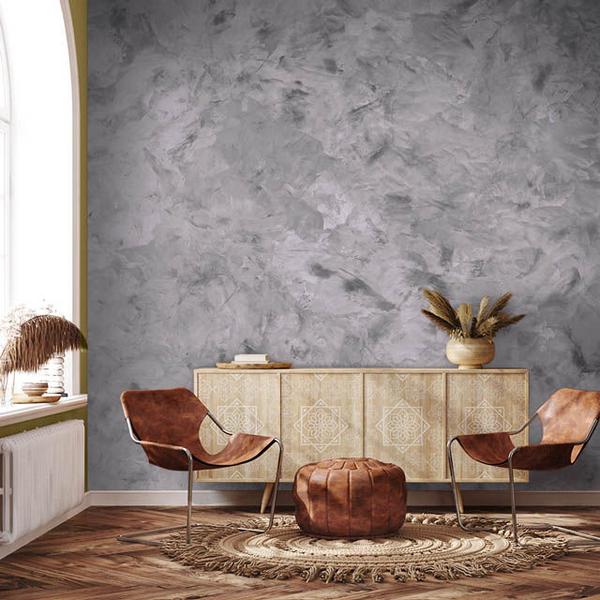
Marmorino finishes are a type of Venetian plaster known for their textured, natural, and often polished look, achieved by layering a mixture of slaked lime and finely ground marble dust. These finishes are versatile, offering a range of textures from smooth and subtle to rough and rustic, and can be tinted to create various colors. Marmorino is prized for its aesthetic appeal, durability, and ability to create a unique, elegant surface, making it popular for both interior and exterior applications. Key characteristics of Marmorino finishes: Textured surface: Marmorino is characterized by its distinct texture, often mimicking the look of natural stone like marble, travertine, or limestone. Lime-based: The base of Marmorino is slaked lime, which provides a breathable and durable surface. Marble dust: Fine marble dust is a key component, contributing to the finish's unique texture and appearance. Versatile application: Marmorino can be applied in various ways to achieve different textures and levels of sheen, from smooth and polished to rough and rustic. Durability and breathability: The lime-based composition makes Marmorino durable, breathable, and resistant to mold and mildew. Aesthetic appeal: Marmorino is known for its elegant, natural look, often used in high-end interiors and exteriors. Wide range of uses: It's suitable for various surfaces, including walls, ceilings, and even exterior facades, and can be used in both residential and commercial spaces.

6814772a5d263414004dd4a4 Card 2

product image
Wall Finishes

Titanium wall finishes typically refer to wall coatings or treatments that incorporate titanium or mimic its aesthetic. These finishes offer a range of benefits, including durability, resistance to corrosion, and a modern, sleek appearance. They can be applied to various surfaces, both indoors and outdoors, and come in different forms like paints, coatings, and panels. Types of Titanium Wall Finishes: Titanium-based paints and coatings: These offer a smooth, even coverage and are often durable and easy to apply with a brush, roller, or spray. Titanium wall panels: These can be made of actual titanium or materials that mimic the look and texture of titanium, such as concrete or metal panels. Granular finishes: These finishes incorporate granular materials to create a textured surface that may resemble stone or concrete. Benefits of Titanium Wall Finishes: Durability: Titanium is a strong and long-lasting material, and finishes incorporating it can withstand wear and tear. Corrosion resistance: Titanium is highly resistant to corrosion, making it suitable for both indoor and outdoor applications. Aesthetics: Titanium finishes offer a modern, sleek, and sometimes industrial look, adding a touch of elegance to interiors. Versatility: They can be applied to various surfaces, including cement, wood, steel, and aluminum, and used both indoors and outdoors.

6814772a5d263414004dd4a4 Card 2

product image
Floor Finish

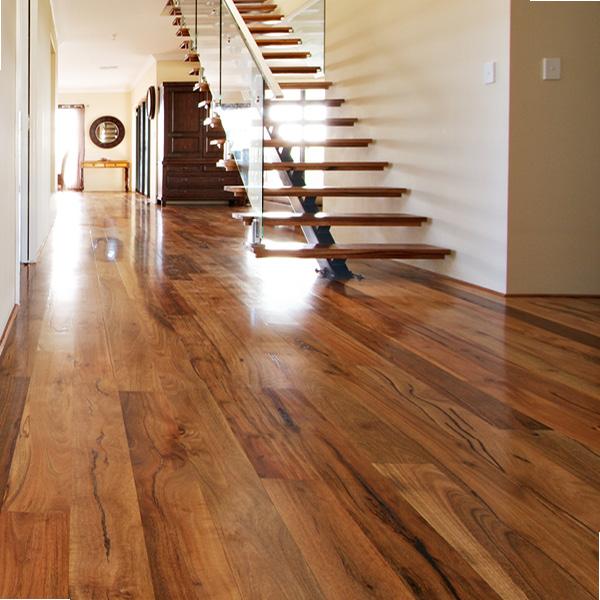
Bamboo flooring is a popular and sustainable choice, known for its durability and eco-friendly nature. It's made from bamboo, a fast-growing grass, making it a renewable resource. Bamboo flooring is available in different styles, including horizontal, vertical, and strand-woven, each with unique aesthetic and performance characteristics. Types of Bamboo Flooring: Horizontal: Strips of bamboo are adhered together horizontally, showcasing the nodes (or “knuckles”) of the bamboo. Vertical: Bamboo strips are pressed together vertically, offering a more minimalist look with fewer visible nodes. Strand-woven: Bamboo fibers are shredded and compressed under high pressure, creating a very dense and durable material, often considered one of the hardest flooring options available. Key Advantages: Durability: Strand-woven bamboo is particularly known for its hardness and resistance to scratches, dents, and wear and tear, making it suitable for high-traffic areas. Sustainability: Bamboo is a fast-growing and renewable resource, making it an environmentally friendly alternative to traditional hardwood flooring. Eco-friendliness: Bamboo forests can be sustainably harvested, and some bamboo flooring options are certified by the Forest Stewardship Council (FSC) for responsible forest management. Moisture Resistance: Bamboo flooring, especially strand-woven, offers good moisture resistance, making it suitable for various rooms, though prolonged exposure to excessive moisture should be avoided. Aesthetics: Bamboo flooring is available in various styles, colors (natural, carbonized), and finishes, allowing for versatile design options. Ease of Installation: Bamboo flooring can be installed using various methods, including floating, glue-down, or nail-down techniques, depending on the specific product and subfloor. Low Maintenance: Bamboo flooring is relatively easy to clean and maintain, requiring regular sweeping or vacuuming and occasional damp mopping with a pH-neutral cleaner. Hypoallergenic: Bamboo flooring doesn't trap dust and allergens like carpets, making it a good choice for allergy sufferers. Potential Drawbacks: Moisture Sensitivity: While generally moisture-resistant, bamboo flooring can be susceptible to warping or swelling with prolonged exposure to excessive moisture. Limited Refinishing: Depending on the type and thickness of the flooring, refinishing options may be limited. VOCs and Formaldehyde: Some bamboo flooring products may contain trace amounts of VOCs and formaldehyde, which can be a concern for individuals with chemical sensitivities. However, low-VOC and formaldehyde-free options are available.

6814772a5d263414004dd4a4 Card 2

product image
Floor Finish

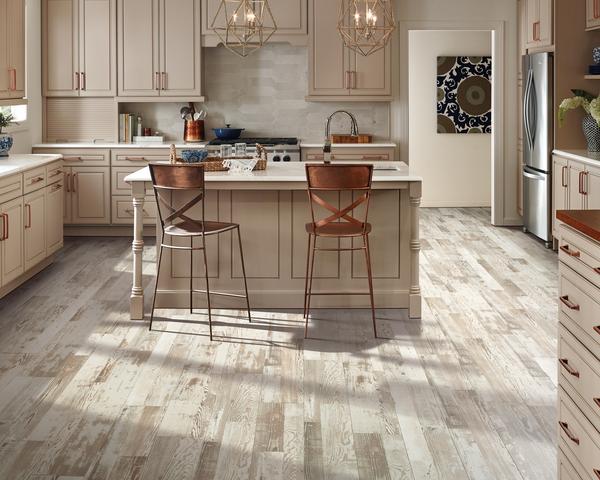
Laminate flooring is a synthetic flooring option designed to mimic the look of wood or stone. It's constructed from multiple layers, including a high-density fiberboard core and a decorative layer with a protective wear layer on top. Laminate flooring is known for its affordability, durability, and ease of installation and maintenance, making it a popular choice for various rooms in a home. Key Features and Details: Construction: Laminate flooring typically consists of four layers: a moisture-resistant backing, a high-density fiberboard (HDF) core, a decorative layer with a photographic image, and a transparent wear layer. Appearance: The decorative layer is designed to replicate the look of natural wood or stone, offering a wide variety of styles and designs. Durability: The wear layer protects the floor from scratches, stains, and fading, making it a durable option for high-traffic areas. Installation: Laminate flooring is often designed with a “click-and-lock” system, allowing for easy and relatively quick DIY installation. Maintenance: Laminate floors are generally easy to clean and maintain, requiring only regular sweeping or vacuuming and occasional damp mopping. Water Resistance: While most laminate floors are water-resistant, they are not completely waterproof. Modern laminate flooring may feature water-resistant cores or coatings for better protection against moisture. Cost: Laminate flooring is typically more affordable than hardwood flooring, offering a cost-effective way to achieve a similar aesthetic. Versatility: Laminate flooring can be installed in various rooms, including living rooms, bedrooms, hallways, and even kitchens (with proper precautions against prolonged moisture). Environmental Considerations: Some laminate floors are made from recycled wood or wood byproducts, making them a more environmentally friendly option. Installation Considerations: Laminate flooring requires proper subfloor preparation and may need to acclimate to the room's temperature and humidity before installation. Types of Laminate Flooring: Wood Look: Replicates the appearance of various wood species, including oak, walnut, maple, and more. Stone Look: Mimics the look of natural stone, such as marble or slate. Beveled Edge: Features a bevelled edge that creates a more realistic and detailed appearance, mimicking the look of hardwood flooring. High-Gloss: Offers a sleek, modern aesthetic with a high-shine finish. Textured: Features a textured surface that adds visual interest and realism. Brands: Pergo: Known for its high-quality, durable laminate flooring with various features like water resistance and scratch resistance PERGO® Flooring. Royale Touche: Offers a wide range of laminate flooring options with aesthetic versatility and durability Royale Touche Laminates. Lamiwood: Provides eco-friendly laminate flooring with a focus on authenticity and durability.

Still searching for
modern lime plaster and microcement finishing?